A ferry journey can be a wonderful experience that offers a refreshing escapade from everyday life. But the journey can quickly become a nuisance if your search for stress-free ferry parking leaves you feeling frustrated. Luckily, there are proven methods to hack your way to hassle-free parking and make the experience stress-free. Discover the easy breezy strategies here and set sail towards a smooth, parking-filled cruise! Read more to find out how.
Edmonds Ferry Parking
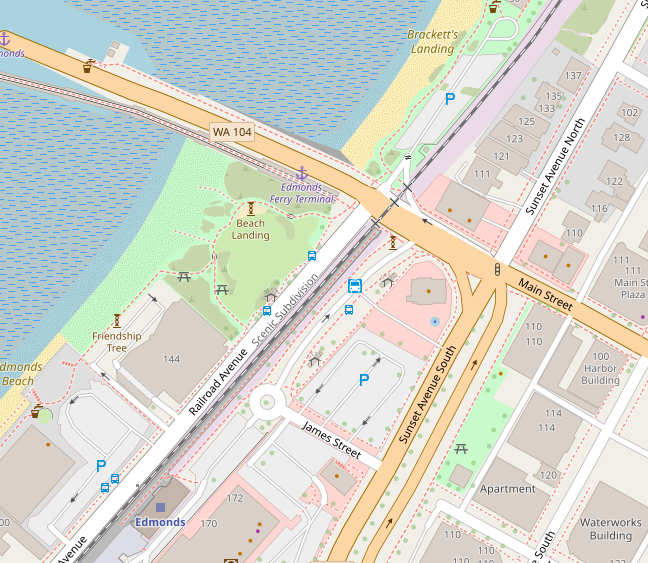
There are parking lots all within a few blocks of the terminal.
The off-site, U-Park lot located at the corner of Sunset Ave. S. and James St., has parking ranging from $15.00 to $20.00. There is one lot available with 64 spots including 2 ADA spaces. You can contact U-Park at (206) 284-9797.
There is no charge for disabled parking customers displaying a valid disabled parking placard or license plate in this U-Park parking lot. Please note: When all the sign posted ADA spaces are filled in a WSF lot, disabled parking customers are allowed to park in any empty space, for free, with their ADA placard except those spaces reserved for other uses (e.g., carpool and Ferry System employee vehicles).
Kingston Ferry Parking
Park and Ride lots are available at the George's Corner Park and Ride, with Kitsap Transit making bus connections.
In addition to the George's Corner Park and Ride lot at SR 104 and Hansville Rd, there is pay parking in Kingston. Kingston commuter parking lot is operated by Diamond Parking available at 1st and Ohio St. Turn left on Ohio Street, they will see it. There are a total of 73 spaces. Contact Diamond Parking at (206) 729-0590 for parking information.
Parking fees for Diamond Parking in Kingston are:
$8.00 for 0 - 12 hours
$12.00 for 12 - 24 hours
$24.00 for 2 days
$28.00 for 3 days
$30.00 for 5 days
$38.00 for 7 days
$100.00 for monthly parking
$75.00 for carpools
WSF has an off-site parking lot for public use, operated by Diamond Parking. There is no charge for disabled parking customers displaying a valid disabled parking placard or license plate in this parking lot only. There are three ADA spaces available. It’s important to note that when all the sign posted ADA spaces are filled in this WSF lot, customers are allowed to park in any empty space in this lot, for free, with their ADA placard, except those spaces reserved for other uses (e.g., carpool and Ferry System employee vehicles).
Challenges of Edmonds Ferry Parking
When it comes to ferry transportation, one of the biggest challenges faced by commuters is finding parking space. In Edmonds, this problem has been exacerbated due to the limited capacity of parking spaces available around the ferry terminal. However, with efficient management strategies and advanced technology solutions, this issue can be resolved.
One possible solution lies in adopting smart parking systems that utilize sensors and data analytics to optimize resource utilization. These systems can help monitor occupancy levels in real-time and provide commuters with accurate updates on available spots via mobile apps or digital signage.
In addition to improving customer experience, such systems would also help streamline operations for ferry authorities by reducing manual efforts required for managing parking lots during peak hours.
Another approach could involve incentivizing ride-sharing among commuters heading towards the same destination. This could be achieved through partnerships with carpooling services or using AI-powered algorithms that match users based on proximity and time of travel.
Ultimately, what is needed is a holistic strategy that considers all aspects of commuter needs while optimizing existing resources through innovative technologies like AI and smart sensors. By taking these steps towards efficient management practices at Edmonds Ferry Parking lot – not only will riders benefit but also contribute positively towards environmental sustainability goals!
Edmonds Ferry Dock-Specific Parking Strategies
Dock-specific parking strategies are an important consideration for those using the Edmonds ferry. With limited space and high demand, it is crucial that parking be organized in a way that maximizes efficiency and convenience for users.
One potential strategy is to implement designated areas based on anticipated usage patterns. For example, a specific section could be reserved for commuters who use the dock during peak morning hours. Another area could be set aside for those attending events or attractions in the surrounding area.
Another approach would involve leveraging technology such as sensors to monitor occupancy levels and adjust pricing accordingly. This dynamic pricing model would incentivize users to park in less congested areas, therefore reducing overall traffic flow and wait times.
Ultimately, successful dock-specific parking strategies will require collaboration between stakeholders including ferry operators, local government officials, business owners in surrounding areas and most importantly – feedback from regular ferry-goers themselves.
Through thoughtful planning aided by advanced technologies like AI-powered analytics systems coupled with machine learning algorithms , we can develop more efficient solutions which ensure maximum utilization of available resources while minimizing any disruptions caused by excess cars at peak times thus drastically reducing waiting time causing dissatisfaction among consumers . By taking these steps today we’ll pave the way towards future growth through innovation while respecting our environment’s needs both now & into tomorrow!
Time-Saving Tips for Planning Ahead
Are you tired of wasting precious time circling around the Edmonds Ferry Parking lot in search of a spot? Planning ahead can save you valuable minutes and make your commute smoother. Here are three time-saving tips for ensuring a stress-free parking experience.
Firstly, consider reserving a spot in advance using one of the online reservation systems available. This will eliminate the need to arrive early and scout for an open space, saving you both time and frustration.
Secondly, take advantage of public transportation options such as buses or shuttles that drop off passengers directly at the ferry terminal. By avoiding the need to park altogether, this option can significantly cut down on commute times.
Lastly, if driving is still your preferred mode of transportation, try arriving during off-peak hours when there are fewer cars on the road. Avoiding rush hour traffic not only reduces travel times but also minimizes congestion in parking lots.
By planning ahead and utilizing these tips, commuters can streamline their daily routines and minimize unnecessary stress caused by navigating crowded parking lots.
Smart Solutions to Maximize Efficiency in Edmonds Ferry Parking
Efficient parking is a crucial part of any ferry service. It ensures that passengers can easily access the ferry and depart on time, while also increasing revenue for the ferry operator. However, managing parking can be a daunting task for operators with large volumes of vehicles to park in limited spaces. The good news is that smart solutions are available to maximize efficiency and make life easier for both operators and passengers.
One solution is real-time monitoring using sensors embedded in parking spots or cameras positioned at strategic locations. These sensors provide information about occupancy levels, enabling operators to optimize space usage by guiding drivers towards available spots through signage or mobile applications.
Another solution involves leveraging machine learning algorithms that predict traffic flow patterns based on historical data from previous sailings, weather conditions or special events occurring concurrently with the service. By analyzing this data and identifying peak periods when demand will be highest (and vice versa), these algorithms help minimize queueing times by directing drivers away from busy timeslots altogether.
Smart solutions extend beyond just improving the passenger experience; they also reduce costs associated with operating inefficient systems such as manual management procedures or wasteful vehicle movements within car parks resulting from poor design layouts. For instance, optimizing designs around geometric shapes like circles rather than rectangles often leads to more efficient use of space per car parked due to reduced turning radii requirements between rows – leading ultimately towards cost reductions passed onto consumers through lower fares.
Conclusion
Smart solutions offer an exciting opportunity for improving efficiencies relating not only their profitability but consumer loyalty via improved journey experiences alike across all transportation industries including Edmonds Ferry Parking services provided.
Through better analytics driven decision making promised results include maximized capacity utilization rates during peak durations whilst maintaining minimal customer waiting periods together offsetting expenses toward greater financial return rates than been seen before.